








Festival Entry and Re-Entry Wristbands: How Multi-Gate Access Control Works
A single-entry event needs one gate and one checkpoint. A multi-day festival with re-entry spread across three or four gates needs a system that confirms each wristband is original, matches the person wearing it, and reflects the correct access tier on every return. Festivals that treat re-entry as an afterthought end up with long return lines, inconsistent gate decisions, and gaps that let transferred bands through.
Combining tamper-evident closures, numbered tracking, and color-coded tiers before gates open turns re-entry from a vulnerability into a controlled process.
Why Re-Entry Needs a Different Wristband Strategy Than Single-Entry Events
Single-entry events check a band once. Re-entry changes the math because every exit and return creates another opportunity for transfer, tampering, or counterfeiting.
The Transfer Problem at Re-Entry Gates
A festival attendee who leaves for the parking lot can pass a loosely fitted wristband to someone outside. At a multi-day festival with open re-entry, every exit multiplies the risk. Gate staff processing hundreds of returns per hour cannot inspect each band as thoroughly as the check-in crew, making the closure and tracking system more important than the staffing plan.
Why Single-Day Wristband Logic Fails at Festivals
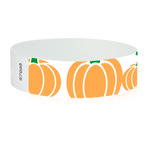
Concert and fair organizers accustomed to single-day Tyvek® bands sometimes apply the same approach to a three-day festival. Tyvek is built for one to two days of wear, and its adhesive closure shreds on removal rather than surviving repeated checks. A band that tears on day two forces replacements that slow throughput and open a window for unauthorized access.
Tamper-Evident Closures and Why They Matter More at Re-Entry Gates
Tamper-evident closures are the first defense at any gate, but re-entry raises the stakes. A band that passed check-in hours ago needs to show whether anyone has tried to remove, loosen, or duplicate it.
How Closure Types Handle Re-Entry Differently
Each closure mechanism behaves differently under re-entry conditions:
- Adhesive (Tyvek) shreds on removal, making transfer visible but also making the band single-use, which limits multi-day applications
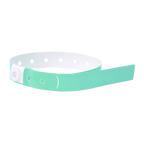
- Locking snap (plastic and vinyl) catches on an internal ridge and moves only one direction, requiring a cut to remove, which suits multi-day re-entry because the band stays intact through repeated gate checks
- One-way slide bead (cloth) locks tighter when pulled but cannot be loosened, making it the most secure option for premium multi-day passes
Vinyl and plastic snap closures are the standard for festivals running two days or longer because the closure survives water, sweat, and repeated movement without loosening. Festival wristbands with locking snaps eliminate the adhesive failure that causes replacement lines at re-entry gates.
Fit as a Security Layer
A closure is only as secure as the fit. A band with two inches of slack slides off without triggering any tamper evidence. Staff applying bands at check-in should position the snap so the band sits snug against the skin with no more than a finger's width of play. Consistent application requires a brief demonstration during orientation, not a written policy volunteers read once and forget.
Barcode and Numbered Wristbands for Multi-Gate Scanning
Color and closure handle visual verification, but festivals with three or more gates need a way to confirm that a specific band has not already been scanned for re-entry at another gate within the same window.
Sequential Numbering for Manual Tracking
Every Tyvek, plastic, and vinyl wristband from Wristband Express ships with sequential numbering. At smaller festivals, gate staff can radio a number to a central log when an attendee re-enters, flagging duplicates manually. Sequential numbering also links each band to a registration record, so a disputed re-entry can be resolved by matching the number to the check-in name.
Duplicate-Number Bands for Faster Verification
Duplicate-number Tyvek bands come in matched pairs that share the same sequential number, letting two people be linked together on sight. At a family festival, a parent and child each wear one half of a pair, so any staff member can confirm they belong together by matching the printed numbers. Facilities processing thousands of guests can use duplicate-number bands for buddy-system accountability, raffle draws, or parent-child reunification without scanning hardware, though the speed ceiling is lower than a barcode approach.
Barcode Scanning for High-Volume Gates
Festivals processing high volumes of re-entries benefit from printed barcodes tied to a gate-management database. A scanned barcode confirms whether the band is valid, whether it has been used for re-entry within a set window, and whether the access tier matches the gate. Custom bands with sequential numbering support barcode integration when paired with a third-party scanning system, adding a digital layer on top of the physical closure.
Setting Re-Entry Policy by Wristband Color or Tier
Not every attendee carries the same re-entry privileges. VIP holders may have unlimited re-entry while general admission is restricted to one return per day. Color-coded wristbands translate these policies into something gate staff can verify at a glance.
Building a Color-and-Tier Map
A tiered color system should be finalized before tickets go on sale so that marketing materials, gate signage, and training all reference the same assignments. A three-tier structure covers most layouts:
- General admission in a single standard color (blue or green) with defined re-entry windows
- VIP or backstage in a distinct high-visibility color (red or gold) with unlimited re-entry
- Single-day or no re-entry in a neutral color (white or gray) that signals gate staff to deny return
Adding a fourth or fifth color for artist passes, vendor access, or media credentials keeps each group's re-entry rules visually distinct without requiring staff to memorize written policies.
Vinyl Tear-Off Tabs as Re-Entry Tokens
Vinyl wristbands with tear-off tabs provide a built-in re-entry tracking method that requires no scanning equipment. Each tab is a single-use token: gate staff tear one tab each time the attendee returns, and the remaining tabs show how many re-entries are left. A five-tab band gives an attendee five re-entries across the weekend, with the count visible on the wristband itself.
Tear-off tabs work well at festivals that limit re-entry by count rather than by time window, since the physical tab count is harder to dispute than a verbal policy.
Training Gate Staff to Check for Tampering
The best closure and tracking system fails if gate staff do not know what to look for. Re-entry gates process attendees faster than check-in, and the speed creates pressure to wave people through rather than inspect each band.
What Gate Staff Should Check on Every Re-Entry
A consistent re-entry check takes under five seconds when staff know the sequence. Every gate volunteer should verify three elements:
- Closure integrity: snap is intact and has not been cut, glued, or replaced
- Fit: band is snug against the wrist with no room to slide off
- Color and number match: band color matches the re-entry tier, and the number has not been altered or covered
Following a set check order, rather than scanning for whatever catches their eye, produces consistent results across shifts and reduces the judgment calls that slow lines during peak hours.
Handling Rejected Bands at Re-Entry
Gate staff need a clear escalation path for rejected bands. A band with a broken snap, visible adhesive residue, or a mismatched number should route to a supervisor station rather than result in a gate-level argument. Posting the tamper-proof event wristband guide at supervisor stations gives leads a visual reference for identifying tamper evidence across closure types.
Order Custom Festival Wristbands
A re-entry system built on tamper-evident closures, numbered tracking, and tiered color coding gives gate staff a reliable way to process returns without slowing throughput. Wristband Express carries festival wristbands in Tyvek, plastic, vinyl, and cloth with locking closures, sequential numbering, and custom printing. Browse the festival collection or call 888.256.0816 to match materials and quantities to your event schedule.
Frequently Asked Questions
How Does Wristband Re-Entry Work at Festivals?
Gate staff verify the wristband's tamper-evident closure, color tier, and number each time an attendee returns. Locking snap closures on plastic and vinyl bands survive repeated checks without loosening.
Can You Leave and Come Back Into a Festival With a Wristband?
Re-entry depends on the festival's policy and the wristband type. Bands with locking snap closures stay intact for multiple returns, while adhesive Tyvek bands are designed for single use and may shred on removal.
What Wristband Material Is Best for Multi-Day Festival Re-Entry?
Vinyl and plastic bands with one-way snap closures are the standard for multi-day festivals. Both materials are waterproof and resist tearing, stretching, and fading over several days of continuous wear.
How Do Festivals Prevent Wristband Transfers at Re-Entry Gates?
Tamper-evident closures show visible damage when someone attempts removal. Snug application at check-in, sequential numbering linked to registration, and staff training on closure inspection work together to prevent transfers.
What Are Tear-Off Tabs on Festival Wristbands Used For?
Vinyl tear-off tabs function as single-use re-entry tokens. Gate staff remove one tab per return, and the remaining count shows how many re-entries the attendee has left, capping returns without scanning equipment.
How Should Gate Staff Check Festival Wristbands for Tampering?
Staff should verify three elements on every re-entry: closure integrity (snap not cut or reattached), fit (band snug with no slack), and color-number match (tier matches the gate and number is unaltered).
Share