





Color-Coding Wristbands for Event Access Tiers: A Planner's Guide
A three-day music festival with 5,000 attendees, four access zones, and a volunteer crew of 80 cannot run on clipboard check-ins. Color-coded event wristbands solve the problem visually: security staff see the color, confirm the zone, and wave people through in seconds. No name lookups, no printed lists, no bottlenecks at the gate.
Color-coding is the oldest and most reliable tier-management system in live events, and setting one up takes less planning than most organizers expect. Below is a practical, step-by-step framework for assigning colors, choosing materials, briefing staff, and avoiding the mistakes that create confusion on event day.
Why Color-Coding Works Better Than Checking a List at the Door
Manual check-ins slow entry lines, create chokepoints, and frustrate attendees before the event even begins. A color-coded wristband system eliminates most of that friction because verification becomes visual rather than procedural.
Faster Entry, Fewer Bottlenecks
Gate staff checking names against a printed list or scanning individual tickets average 15 to 30 seconds per person. A visible wristband color cuts that time to under three seconds. For a 2,000-person general admission gate, that difference means clearing the line in minutes rather than hours.
Color-coding also reduces human error. A staff member glancing at a red wristband and waving someone through a VIP entrance is far less likely to make a mistake than one scrolling through a spreadsheet on a tablet.
Visual Verification From a Distance
Security personnel positioned at zone boundaries can confirm access rights from several feet away without stopping foot traffic. A bright green band on a wrist stands out across a crowded corridor, making roaming enforcement practical at festivals, water parks, and multi-stage concert venues where fixed checkpoints are not feasible.
How Many Colors You Actually Need
More colors do not always mean better organization. The goal is to use the fewest distinct colors that clearly separate every access tier, because too many shades create confusion for staff and slow down the visual checks that make the system work.
Small Events: Under 500 Attendees
Most small-scale events need two to three colors at most. A typical setup uses green for general admission, red for VIP or backstage access, and yellow for staff and volunteers. Two or three high-contrast colors are easy for every team member to memorize, and the system requires almost no training.
Mid-Size and Large Events: 500 and Above
Larger events with multiple zones, multi-day passes, or age-verified areas may need four to six colors. Once an event exceeds six distinct wristband colors, staff retention drops and misidentification rises. At that point, adding printed text or icons to the band is more effective than introducing a seventh or eighth color.
A practical cap for most events:
- Three to four colors for access tiers (general, VIP, all-access, backstage)
- One color for staff and crew
- One color for age verification (21+ at bars, for example)
Assigning Colors by Tier
Choosing which color represents which tier is not arbitrary. Strong color assignments follow a logic that staff can internalize quickly, and attendees can recognize intuitively. Note that access-tier colors serve a different purpose than the symbolic color meanings used in cause-awareness campaigns, so the two systems should not be confused.
General Admission
General admission should use the most common, neutral color in your palette. Green, blue, or white work well because they do not carry strong "special access" connotations. The general admission color will appear on the highest volume of wristbands, so availability and per-unit cost matter here. Tyvek® wristbands are the most cost-effective option for high-volume general admission bands, starting as low as a few cents per unit.
VIP and Premium Access
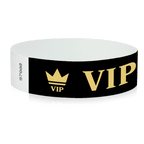
VIP tiers should use bold, high-visibility colors that immediately signal elevated status. Red, gold, and black are the most common choices for VIP wristbands because attendees associate them with exclusivity, and security staff learn the association quickly.
For events with multiple premium tiers, pairing a distinct color with printed text ("VIP," "Platinum," "All-Access") prevents confusion between tiers that might otherwise look similar under stage lighting or at night.
Staff, Crew, and Vendors
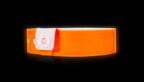
Staff wristbands should use a color that is visually distinct from every attendee tier but not one that attendees might confuse with a premium pass. Bright orange, neon pink, or lime green are effective because they are highly visible and rarely associated with VIP access.
Consider printing "STAFF" or "CREW" directly on the band as a secondary identifier, especially at events where staff members interact with the public and need visible credentials.
Communicating the System to Your Door and Security Staff
A color-coding system only works if every person enforcing it understands the assignments. Breakdowns almost always happen because of inconsistent briefings, not because of a flaw in the color scheme itself.
Pre-Event Briefing Essentials
Every gate attendant, security guard, and zone monitor needs three things before doors open:
- A printed or laminated color-tier reference card small enough to clip to a lanyard or tape to a podium
- A clear explanation of which zones each color grants access to, including any time-based restrictions (for example, a Friday-only pass versus a full-weekend pass)
- A defined escalation protocol for ambiguous situations, such as a wristband that has been partially torn or a color that looks faded
Verbal-only briefings are not sufficient. Staff turnover between shifts means the person working the 8 PM gate may not have attended the morning walkthrough.
On-Site Reference Tools
Posting a large, simple color-key chart at each entry point and staff check-in area eliminates guesswork. The chart should use actual wristband samples mounted on cardstock, not printed color swatches, because screen-printed or digital colors often look different from the physical band under event lighting.
Printing or Debossing Tier Labels Directly on the Band
Color alone handles most access-control needs, but adding printed text, barcodes, or sequential numbering gives event planners an extra layer of security and data.
When Printed Text Beats Color Alone
Printed labels become essential in a few specific scenarios:
- Multi-day events where different days use the same base color but need date stamps to distinguish Saturday from Sunday passes
- Age-restricted zones where a color indicates 21+ status and printed text confirms it (reducing liability risk)
- Large-scale festivals with six or more tiers where color alone cannot carry all the information staff need
Choosing the Right Customization Method
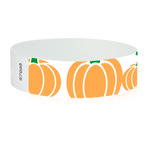
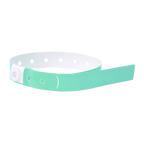
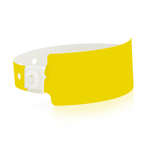
Custom wristbands for events can be printed with logos, text, barcodes, or sequential numbers depending on the material. Tyvek bands support full-color printing and are ideal for single-day or two-day events. Vinyl and plastic bands offer snap closures and longer wear, making them better suited for multi-day festivals where the wristband needs to survive several days of continuous use.
For events emphasizing branding or keepsake value, silicone wristbands can be debossed or embossed with tier names, creating a durable band that attendees may keep long after the event ends.
Order Custom Wristbands for Your Next Event
A well-planned color-coding system reduces gate times, simplifies security enforcement, and gives every attendee a clear, wearable indicator of where they can go.
Wristband Express offers same-day shipping on stock orders placed before 3 PM CST, with custom Tyvek wristbands available in dozens of colors and fully customizable with printed text, logos, or numbering. For help choosing materials or setting up a multi-tier color system, call the team at 888.256.0816.
Frequently Asked Questions
How Many Wristband Colors Should an Event Use?
Most events run smoothly with three to five colors. Use the fewest distinct colors that separate every access tier clearly, and add printed text if you exceed six.
How Do I Set Up Color-Coded Access Tiers for My Event?
Map each access level (general admission, VIP, staff, age-verified) to a single distinct color, print a reference chart for gate staff, and brief every team member before doors open.
What Wristband Material Works Best for Color-Coded Event Access?
Tyvek® works best for single-day events due to low cost and wide color availability. Vinyl or plastic bands suit multi-day events because of their snap closures and extended durability.
Can Wristband Colors Be Customized With Printed Text?
Yes. Most wristband materials support printed text, logos, barcodes, and sequential numbering. Printing tier names alongside the color adds a second verification layer for security staff.
What Colors Are Most Common for VIP Event Wristbands?
Red, gold, and black are the most widely used VIP wristband colors because attendees and staff both associate them with premium or exclusive access.
Should Staff Wristbands Be a Different Color Than Attendee Bands?
Always. Staff bands should use a color that is visually distinct from every attendee tier, such as bright orange or neon pink, and ideally include printed "STAFF" or "CREW" text for quick identification.
Share