

Wristbands for Daycare and After-School Pickup Safety: A Parent and Provider Guide
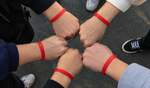
The 5:30 pickup rush is the riskiest 20 minutes of a daycare day. Thirty families arrive at once, a substitute is covering the door, and the authorized-pickup binder is somewhere in the office. Daycare pickup wristbands give that staff member a visual match between the child, the classroom, and the approved adult without opening a folder.
The setup below is written for directors and after-school coordinators building a pickup workflow from scratch or tightening one that has grown loose. Wristbands are one layer of that workflow, not the whole thing, and this guide is general operational advice rather than legal or licensing guidance. Check your state's childcare licensing rules for the sign-out requirements that still apply.
Why Daycares and After-School Programs Use Wristbands for Pickup Verification
Most pickup errors are not dramatic. A grandparent on the list for one sibling but not the other, a parent whose custody order changed mid-semester, a neighbor doing a favor. Each is a lookup problem, and lookups fail when the person at the door is new, rushed, or working from memory. A wristband turns part of the lookup into something staff can see from across the room.
What a Wristband Can and Cannot Verify
Wristbands work as an identification aid, not a credential. Silicone bands stretch on and off, so a band alone should never release a child. The band's job is to route staff to the right classroom list and pickup roster in seconds and to flag mismatches before a child reaches the door. The sign-out sheet and photo ID check still close the loop.
Where After-School Programs Differ From Daycares
After-school programs handle wider age ranges, more rotating staff, and pickup in a gym or cafeteria rather than a classroom. After school program wristbands tend to carry more per band for that reason: a grade level, a bus or walker status, and a pickup group. A daycare usually needs only a room color and a pickup-list code, because staff know the faces.
Color-Coding by Classroom, Age Group, or Authorized Pickup List
Color is the fastest signal a tired staff member can read, and a well-built map needs no training beyond a laminated card at the door. Code one variable per band rather than everything in a single color. Most programs get the best results with one band plus a printed code.
Coding by Classroom or Age Group
Assign one solid color per room and keep it constant all year, so the color becomes part of the room's identity for children and parents alike. Infants, toddlers, preschool, and pre-K each get their own shade, and a child in the wrong pickup zone stands out immediately. Silicone bands come in more than 100 colors across solid, swirl, segmented, and glow options.
Coding by Authorized Pickup List
Pickup-list coding is where the system earns its keep. Rather than encoding names, assign each family a short code printed on the band, such as a two-letter room prefix and a number. Staff match the code to a laminated roster that lists every approved adult for that number. A few rules keep the list usable:
- One code per family, not per child, so siblings in different rooms share a pickup roster.
- Reissue the code, not the band, whenever a custody order or approved-adult list changes.
- Keep the roster at the door in a binder with tabs by code, and update it the same day a parent submits a change.
- Never print a child's full name alone on the band; pair a first name or initial with the program or room identifier.
Coding by Dismissal Type
After-school programs often add a third variable: how the child leaves. Bus riders, walkers with permission, and car-line pickups each get a distinct color or a colored segment. The staff member loading the bus and the one at the car line are then checking different colors. Segmented silicone bands handle this well, since two colors on one band read as a single status.
Silicone Wristbands: Comfortable for All-Day Wear in a Daycare Setting
A band that a child pulls off by 9 a.m. is not a safety tool. Daily-wear bands need to be soft, stretch-fit, and safe for the youngest mouths in the room, which rules out anything with an adhesive or a snap. Silicone wristbands are the practical answer for a program that wants the same band on the same child all week.
Why Silicone Wins for Young Children
The material does the work here. Silicone stretches over a hand and settles back to shape with no edge or clasp to catch on. The sink, the sandbox, and the water table do not fade it. On the Wristband Express product pages, the bands are listed as 100% silicone, lead-free, latex-free, and child safe. In a room where anything on a wrist ends up in a mouth, that matters.
Youth Sizing and Rotation
Adult bands slide off small wrists, so sizing is not optional. Youth solid-color silicone wristbands are cut for smaller circumferences, and the custom styles offer adult and youth sizes on the same order for staff and children. Plan on a fresh band per child each week and a spare bin per color, because bands go home in backpacks and come back in pockets.
Where Tyvek Still Fits
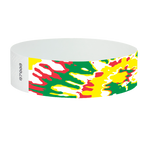
Silicone is the daily band, but a single-use Tyvek® band has a role on field trips and family nights, when a program is moving 60 children through a museum or park. A tamper-evident adhesive band that shreds when removed is the right tool when the risk is a child leaving the group rather than the building. The guide to keeping kids safe at events covers that scenario, including how to put a parent contact number on the band.
Adding Emergency Contact Info to a Printed or Debossed Wristband
A pickup code solves the door problem. A contact number solves the field-trip and lockdown problem, because the number should be on the child, not in a file. The question is how much to put on a half-inch band without creating a privacy risk.
What to Print and What to Leave Off
Less is safer. A band that reads "Sunrise Kids B-14" plus a program phone number gives a first responder someone to call who can identify the child. Nothing on the wrist reveals a name or home address to a stranger. A short, deliberate set of fields works best:
- Program name or abbreviation, so anyone who finds the child knows who to call.
- The program's main phone line, not a parent's personal number.
- The room or pickup code, which staff can map to the family roster.
- A medical alert word only if a parent has asked for it, such as "allergy" with no further detail.
Printed, Debossed, or Ink-Injected
Printed silicone wristbands silk-screen the text onto the surface, which gives the sharpest legibility for small type. Debossed bands recess the text and stay readable for years but are harder to read at a glance in low light. Ink-injected silicone wristbands fill a recessed design with ink and hold up best to daily washing. For a band a toddler will chew and a teacher will read quickly, printed or ink-injected is usually the better choice.
Setting Up a Wristband System for the New School Year
The system fails if it launches on day one with no roster behind it. Building it over the last month of summer gives families time to submit pickup lists and staff a week to practice. A realistic setup for a program of 50 to 150 children looks like this.
A Four-Week Rollout
Each step below assumes the family paperwork and the wristband order run in parallel, because the codes on the band depend on the roster being final. Custom printed silicone bands need production time on top of shipping, so the order goes in early:
- Four weeks out: finalize room colors and the pickup-code format, and send families the authorized-pickup form with a deadline.
- Three weeks out: order stock youth bands in each room color, plus custom printed bands with the program name, phone line, and code range.
- Two weeks out: build the laminated roster by code, and post the color map at every exit and in the staff room.
- First week: hand out bands at drop-off with a one-minute explanation for parents, and walk every staff member through a mock pickup before day one.
Keeping the System Honest Through the Year
Drift is the enemy. A code still valid after a custody change, a room color reused for a new group, or a roster that lives on one person's desk will undo the setup by October. Assign one staff member to own roster changes, audit the door binder monthly, and reissue bands at each term break.
Put the Pickup Code on the Wrist, Not in the Binder
A pickup wristband will not replace your sign-out sheet or licensing checklist. What it does is move the first check from a folder to a glance and give every substitute the same information the lead teacher has. Room colors, family codes, and a program phone number on a soft youth band cover most of what a busy door needs.
Design Your Own Silicone Wristbands with your program name and code range, or start with stock youth solid-color silicone wristbands in one color per room.
Frequently Asked Questions
How Do Wristbands Help With Daycare Pickup Safety?
Color-coded or coded wristbands let staff match a child to a classroom and an authorized-pickup roster at a glance, without opening a binder at a busy door. The band flags mismatches early; the sign-out and ID check still complete the release.
What Color Wristbands Do After-School Programs Use for Authorized Pickup?
There is no standard color. Most programs assign one color per room or grade and use a printed code for the pickup list. Many add a second color or segment for bus, walker, or car-line dismissal.
What Wristband Material Is Best for Daily Daycare Use?
Silicone. The band stretches on without a clasp or adhesive, survives the sink and water table, and is listed as lead-free, latex-free, and child safe. One band can stay on a child all week; Tyvek bands are single-use and better suited to field trips.
Can Emergency Contact Information Be Printed on a Child's Wristband?
Yes. Printed, debossed, or ink-injected silicone bands can carry a program name, a phone line, and a room or pickup code. Avoid printing a child's full name or a home address, and use the program's number rather than a parent's.
Are Silicone Wristbands Tamper-Proof for Pickup?
No. Silicone bands slide on and off, so they identify a child and route staff to the right roster rather than prove authorization. For tamper-evident single-day use, such as a field trip, a Tyvek band with an adhesive closure is the better fit.
How Many Wristbands Should a Program Order for the Year?
Plan on one band per child per week in each room color, plus a spare bin of about 10 percent, since bands leave in backpacks. Custom printed bands with codes need fewer replacements because families keep the same code all year.
Share