

How to Use Wristbands to Make Kids Feel Safe at Family Events
A family-friendly festival with 500 attendees might include 150 or more children. Kids move faster than adults, get distracted easily, and can wander out of sight in seconds at a crowded fair or outdoor concert.
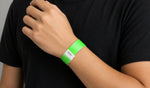
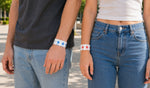
Family event safety wristbands have become one of the most practical tools for keeping children identifiable and connected to their group. A wristband on a child's wrist gives staff and other adults a visible way to identify who the child belongs to and how to reach a parent if needed. Here is how organizers put wristbands for child safety to work at events of every size.
Why Wristbands Are One of the Most Effective Child Safety Tools at Events
Child safety at family events is not just about controlling access. Children need to be identifiable, trackable by group, and connected to a responsible adult at all times. Wristbands handle all three of these needs with a single, inexpensive item that stays on the child's wrist throughout the event.
How Child Safety Wristbands Work at Family Events
The concept is simple. Every child attending the event receives a wristband with identifying information, whether that is a parent's phone number, a group color, or an age indicator. Staff and volunteers at every checkpoint can verify the child's wristband visually, confirming that the child is accounted for. If a child is found wandering alone, any adult can read the contact information on the band and reach the parent directly. How child safety wristbands work comes down to turning every child into a walking ID card that cannot be lost or hidden in a pocket.
What Makes Wristbands Better Than Other Identification Methods for Kids
Lanyards pose a strangulation risk for young children and are not recommended for active play environments. Stickers peel off within an hour, especially with sweat and sunscreen. Clip-on badges fall off and get lost. A wristband sits securely on the wrist, stays visible at all times, and requires no effort from the child to maintain. For kids under 10, a printed wristband is the most reliable identification tool available.
5 Child Safety Wristband Ideas for Family Events
Understanding how to use wristbands for child safety goes beyond simply writing a phone number on a band. A well-designed wristband program addresses multiple safety scenarios at once. Here are five child safety wristband ideas that organizers use at festivals, fairs, school events, and family gatherings.
1. Printing Parent Contact Info for Lost-Child Reunification
The most critical use of a child safety wristband is making sure a separated child can be returned to their parent quickly. Organizers can distribute custom Tyvek® wristbands pre-printed with a blank field where parents write their phone number in permanent marker at check-in. For events with advance registration, custom-printed bands can include the parent's name and number directly on the band, eliminating the handwriting step entirely.
When a lost child is found by staff, a volunteer, or another parent, the wristband provides immediate contact information without the child needing to speak, remember a number, or be calm enough to communicate clearly.
2. Color-Coding Children by Age Group or Chaperone
Large family events, church gatherings, summer camps, and school functions often assign children to groups based on age, classroom, or chaperone. Assigning a different wristband color to each group creates instant visual accountability. A chaperone scanning a playground or activity area for children wearing blue wristbands can do a quick headcount without needing to recognize every face.
Common color-coding setups for kids' safety wristbands for events include:
- One color per age group (red for ages 3 to 5, green for ages 6 to 8, blue for ages 9 to 12)
- One color per chaperone or volunteer, so each adult knows exactly which children are their responsibility
- A separate color for children with allergies, medical conditions, or special needs, alerting staff to check in proactively
3. Matching Kids to Their Family Group in Large Crowds
At festivals and community events where families spread out across multiple areas, matching wristbands between parents and children makes reunification faster. One approach is issuing numbered wristband pairs, where the parent and child each receive a band with the same printed number. Staff at a reunion point can match the numbers instantly rather than relying on verbal descriptions.
Another approach uses event wristbands in a specific color for each registered family, so any staff member who finds a separated child can look for adults wearing the same color nearby.
4. Separating Age Groups for Activity Zones and Ride Access
Many family events include activities or rides restricted by age or height. Rather than checking each child's age at every attraction, organizers can verify age once at check-in and issue an age-specific wristband color. Ride operators and activity staff then admit or redirect children based on wristband color alone, keeping lines moving and enforcement consistent.
5. Making Safety Fun So Kids Actually Want to Wear the Band
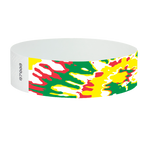
A safety wristband only works if the child keeps the band on. Fortunately, most kids enjoy wearing wristbands, especially when the design is colorful, age-appropriate, or tied to the event theme. Offering children a choice of colors or patterns at check-in increases the likelihood that the band stays on all day. Patterned Tyvek® wristbands with stars, animals, or seasonal designs appeal to younger children who might resist a plain band. Silicone wristbands in youth sizes work well as keepsakes for older kids, giving them a souvenir they are proud to wear rather than something they want to remove.
Framing the wristband as a "team bracelet" or an "event explorer badge" rather than a safety tool makes the experience positive for children who might otherwise see it as a restriction.
[[product:segmented-5-silicone-wristbands]]
Practical Tips for Implementing Child Safety Wristbands
Getting the most out of a child safety wristband program comes down to what you print on the band and which material you choose. A few planning decisions at the outset make the system more effective on event day.
What to Print on a Child Safety Wristband
The information on the wristband should help any adult reunite a separated child with their parent as quickly as possible. Effective child safety wristbands typically include:
- The parent or guardian's mobile phone number (the single most important piece of information)
- The child's first name (helps staff address the child calmly and build trust)
- The event name and a reunion point location (directs the finder to bring the child to a staffed area)
- An allergy or medical alert if applicable (critical for children with food allergies or conditions that require medication)
Avoid printing the child's last name or home address on the visible exterior. A first name and phone number give staff everything they need for reunification without exposing personal details to strangers.
Choosing the Right Material for Children
For single-day family events, custom Tyvek wristbands are the most practical option. Lightweight, water-resistant, and affordable enough to distribute to every child at check-in, Tyvek bands hold up through a full day of play without irritating sensitive skin. The adhesive closure keeps the band secure without being difficult for a parent to remove at the end of the day.
For multi-day camps, retreats, or resort stays, plastic wristbands with snap closures offer waterproof durability for 3 to 7 days. Youth-sized silicone wristbands work well for ongoing programs where children wear the same band across multiple sessions or visits.
Give Every Family a Safer Event Experience
A simple wristband program can be the difference between a panicked search and a 30-second reunification. Wristband Express offers custom wristbands in Tyvek, plastic, and silicone with youth sizing, custom printing, and patterned designs that kids actually want to wear. Stock orders placed before 3 PM CST ship the same day. Start designing at wristbandexpress.com.
Frequently Asked Questions
1. What information should I put on a child safety wristband?
Print the parent or guardian's mobile phone number and the child's first name at a minimum. Adding the event name and a reunion point location helps any adult who finds a separated child know exactly where to go.
2. What is the best wristband material for young children?
Tyvek wristbands are the most practical choice for single-day family events. Lightweight, water-resistant, and gentle on sensitive skin, Tyvek bands hold up through a full day of play and are easy for parents to remove afterward.
3. Are wristbands safe for toddlers and preschoolers?
Yes. Wristbands are safer than lanyards, which pose a strangulation risk, and more reliable than stickers, which peel off quickly. Ensure the band is snug enough that the child cannot pull it off but loose enough to avoid discomfort.
4. Should I print a child's full name and address on the wristband?
No. A first name and a parent's phone number provide everything needed for reunification. Printing a last name or home address on a visible wristband exposes personal information unnecessarily.
5. How do event organizers use color-coded wristbands for child safety?
Organizers assign a different color to each age group, chaperone group, or family unit. Staff and volunteers can then verify group membership visually and do headcounts by color at every activity area or departure point.
6. Can child safety wristbands be customized with event branding?
Yes. Custom printing allows organizers to add an event logo, name, date, and contact details alongside the safety information. Branded safety wristbands reinforce the event's identity while serving a practical purpose.
Share