





Silicone vs. Plastic Wristbands: Which One Fits Your Event
Event organizers choosing between silicone and plastic wristbands are comparing two materials built for different jobs. Silicone bands are reusable, flexible, and designed for indefinite daily wear. Plastic bands lock on with a one-time snap closure and last three to seven days before the event ends and the band comes off. The right choice depends on whether the wristband needs to outlast a single event or serve as a lasting keepsake, team identifier, or promotional item.
The Core Difference: Reusable vs. Single-Event Wear
The split between silicone and plastic comes down to lifecycle. Silicone is a reusable material that campers, team members, and brand supporters wear for weeks, months, or longer. Plastic is a single-event consumable that controls access, confirms admission, and gets cut off when the event wraps.
How Silicone Wristbands Function
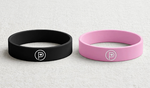
Silicone wristbands are made from 100% non-toxic, latex-free silicone rated for indefinite daily wear. The material is waterproof, stretch-resistant, and holds its shape through sun exposure, pool water, and repeated washing. Silicone bands slide on and off freely, making them reusable across multiple events, sessions, or seasons.
Because silicone contains no latex, the bands are safe for children and adults with latex sensitivities, a consideration that matters at camps, schools, and healthcare settings where allergen exposure is a liability concern.
How Plastic Wristbands Function
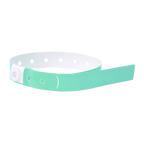
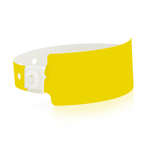
Plastic wristbands use a tri-laminate construction with a one-time locking snap that catches on an internal ridge and moves in one direction only. Once applied, the band cannot be removed without cutting, which prevents transfer between guests. The snap closure makes plastic the standard for admission control at festivals, waterparks, resorts, and multi-day events where verifying paid entry matters more than keeping the band afterward.
Plastic bands are also waterproof and non-stretch, holding up through pool days, rain, and extended outdoor wear within their three-to-seven-day window.
Durability and Comfort Over a Multi-Day Event
Both materials survive water and outdoor conditions, but durability means different things depending on how long the band needs to last.
Silicone for Long-Term Wear
Silicone resists cracking, fading, and warping over months of continuous use. UV exposure does not degrade the color or texture, and the smooth surface stays comfortable against skin through sweat and sunscreen. The rubber vs. silicone wristband guide covers why silicone outperforms natural rubber on every durability metric, from heat resistance to color retention.
Youth-sized silicone bands with a smaller circumference fit children and teens without the loose sliding that causes discomfort and lost bands during active use at camps and school programs.
Plastic for Fixed-Duration Events
Plastic bands are engineered to stay secure and legible for three to seven days. The laminate layers resist tearing, and printed text or graphics remain readable through the event's full run. After the event ends, the band has served its purpose. Organizers running week-long festivals, resort stays, or conference schedules get a durable admission tool without paying for a material built to last beyond the event calendar.
Cost Per Band at Volume: Silicone vs. Plastic Side by Side
Pricing follows a predictable pattern: plastic costs less per unit, while silicone costs more upfront but spreads that cost across repeated uses.
| Feature | Silicone | Plastic |
|---|---|---|
| Starting price | As low as $0.14/band | As low as $0.09/band |
| Wear duration | Indefinite | 3–7 days |
| Closure | Slide-on, reusable | One-time locking snap |
| Waterproof | Yes | Yes |
| Latex-free | Yes (100% silicone) | Yes |
| Best fit | Ongoing programs, teams, promotions | Admission control, fixed-duration events |
A school ordering 500 silicone bands at $0.14 each spends $70 on bands that last the entire academic year. A festival ordering 500 plastic bands at $0.09 each spends $45 on bands that cover a single weekend. The per-event math favors plastic for one-time use, but silicone wins on cost-per-wearing when the band stays in rotation across multiple events or sessions.
When the Upfront Cost Justifies Itself
Organizations running recurring programs get the most value from silicone. Summer camps reusing bands across weekly sessions, fitness studios issuing member bands, and awareness campaigns distributing bands that supporters wear daily all benefit from a material that does not need reordering after each event.
Customization Options on Each Material
Both silicone and plastic support custom printing, but the methods and visual results differ.
Silicone Customization Methods
Custom silicone wristbands offer five imprint styles:
- Debossed text is pressed into the band surface, creating recessed lettering that resists wear and stays legible through water, dirt, and daily handling
- Embossed text is raised above the surface for a tactile, premium feel suited to branded giveaways and fundraiser bands
- Screen-printed designs support full-color logos and detailed graphics on a smooth band surface
- Ink-injected lettering fills debossed recesses with color, combining the durability of engraved text with the visibility of printed ink
- Embossed printed designs layer ink onto raised text for the most visually prominent option
Silicone bands are available in solid colors, swirl patterns, segmented rainbow designs, and glow-in-the-dark finishes. Stock bands ship same-day when ordered before 3 PM CST.
Plastic Customization Methods
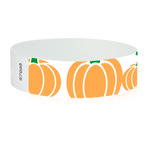
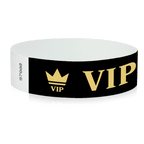
Plastic bands support printed logos, text, and graphics on a flat laminate surface. Available finishes include solid colors, holographic effects, and patterned designs featuring flags, themes, and event-specific graphics. Custom wristbands with printed branding turn the admission band into a marketing surface that guests wear visibly throughout the event.
Holographic and patterned options add a visual layer that also functions as a counterfeit deterrent, since the finishes are difficult to replicate outside of professional production.
Which One Fits Your Event
Matching the material to the event type prevents overspending on durability that will not be used or underspending on a band that fails before the event ends.
Choose Silicone When the Band Outlasts the Event
Silicone fits events and programs where the wristband serves a purpose beyond admission:
- Summer camps issuing cabin-group bands that campers wear all week and keep as souvenirs
- Awareness campaigns distributing bands that supporters wear daily to signal a cause
- Sports leagues and fitness programs using color-coded bands for team or membership identification
- Corporate promotions giving branded bands to employees, clients, or trade show visitors
Choose Plastic When the Band Matches the Event Window
Plastic fits events where access control is the priority and the band's job ends when the event does:
- Multi-day festivals with gate re-entry and tamper-proof requirements
- Waterparks and resorts issuing guest bands for the length of a stay
- Conferences and expos running two to five days with tiered access zones
- Private parties and fundraisers where a secure, low-cost admission band is enough
Shop Silicone Wristbands
Silicone and plastic wristbands each solve a different problem. Silicone delivers indefinite wear for programs, teams, and promotions that need a band built to last. Plastic delivers secure, tamper-proof admission control for events with a fixed end date. Wristband Express carries both materials with custom silicone wristbands in debossed, embossed, printed, and ink-injected styles, plus stock silicone bands with same-day shipping on orders placed before 3 PM CST. Browse the silicone collection or call 888.256.0816 to match materials and quantities to your event.
Frequently Asked Questions
What Is the Difference Between Silicone and Plastic Wristbands?
Silicone bands are reusable, slide on and off, and last indefinitely. Plastic bands lock on with a one-time snap closure, last three to seven days, and are designed for single-event admission control.
Which Wristband Material Lasts Longer, Silicone or Plastic?
Silicone lasts longer. The material resists cracking, fading, and UV damage over months or years of daily wear. Plastic is built for three to seven days of secure, waterproof use during a single event.
Are Silicone Wristbands Latex-Free?
Yes. Silicone wristbands are made from 100% non-toxic, latex-free silicone, making them safe for children and adults with latex allergies.
Can Plastic Wristbands Be Removed and Reused?
No. Plastic wristbands use a one-way locking snap that cannot be reopened. Removing the band requires cutting, which prevents transfer between guests.
What Customization Options Do Silicone Wristbands Have?
Silicone bands support debossed, embossed, screen-printed, ink-injected, and embossed printed designs. Colors include solids, swirls, segmented, and glow-in-the-dark finishes.
When Should I Use Plastic Wristbands Instead of Silicone?
Use plastic when the wristband's job is admission control for a fixed-duration event. Festivals, waterparks, resorts, and conferences running two to seven days benefit from the tamper-proof snap closure at a lower per-unit cost.
Share