

Memorial Wristbands: How Organizations Use Them for Tribute Events
When a nonprofit hosts a memorial walk, a fire department holds a fallen-hero ceremony, or a school gathers for a community vigil, the organizers face the same question: how do you give every attendee something that connects them to the tribute? Programs get tossed. Candles burn out. But a wristband stays on the wrist for weeks, carrying a name, a date, or a message that keeps the memory visible.
Memorial wristbands have become a go-to tool for organizations that need something affordable, personal, and durable enough to outlast the event itself. Below is a closer look at the specific ways organizations put them to work.
6 Ways Organizations Use Memorial Wristbands at Tribute Events
The practical appeal of memorial wristbands comes down to versatility. A single custom band can serve as an admission pass, a fundraising product, a unifying symbol, and a take-home keepsake all at once. Here are the most common tribute wristband ideas organizations rely on, with real-world context for each.
1. Unifying Attendees at Memorial Ceremonies and Vigils
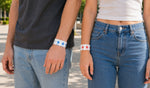
When hundreds of people gather for a candlelight vigil or a remembrance ceremony, a shared wristband creates instant visual unity. Everyone wearing the same band signals that the group is there for the same purpose. Organizations often choose a single color tied to the cause or the person being honored and distribute silicone wristbands at the entrance so attendees walk in already connected. Schools use the same approach for student-led memorials after the loss of a classmate or staff member.
2. Raising Funds for Causes Connected to a Loss
One of the most practical memorial wristband ideas is turning a tribute into a fundraiser. Organizations sell custom bands before or during the event, with proceeds going toward scholarships, medical research, family support funds, or charitable foundations tied to the departed person's passions. Because custom silicone wristbands cost just cents per unit, nearly all of the sale price becomes revenue for the cause.
Common fundraising approaches include:
- Selling wristbands at a set donation amount (often $5 to $10) with 100% of proceeds going to the cause
- Bundling a wristband with event registration so every participant receives one automatically
- Offering wristbands online ahead of the event to extend the fundraising window beyond the day itself
3. Identifying and Managing Participants at Tribute Walks and Runs
Memorial 5Ks, charity walks, and tribute runs need a way to separate registered participants from spectators, especially when the event includes timed segments or restricted areas. Event wristbands double as both an admission tool and a commemorative item. Organizers hand them out at check-in, and participants wear them through the course. After the event, the wristband becomes a personal reminder of the miles they walked or ran in someone's honor.
4. Creating Keepsakes at Celebration of Life Gatherings
Celebrations of life are replacing traditional funerals for many families, and wristbands have become a popular alternative to printed memorial cards. Organizers order custom wristbands in the departed person's favorite color and add their name, life dates, and a short phrase that captures who they were. Guests leave the gathering with something on their wrist instead of a folded card that might get lost in a purse or pocket. For many attendees, the wristband becomes the single physical memento they carry from the event.
5. Honoring Fallen Military Members and First Responders
Military units, police departments, and fire stations have a long tradition of wearing memorial bands to honor colleagues killed in the line of duty. Black wristbands with a thin blue line are a standard in police memorials. Military tributes often include the service member's name, rank, and battalion. Fire departments customize red or black bands with a Maltese cross and the fallen firefighter's badge number. In all of these cases, the wristband serves as both a public tribute and a private, daily reminder worn long after the ceremony ends.
6. Building Community Awareness After Local Tragedies
When a community experiences a shared loss, whether from a natural disaster, a school tragedy, or a public health crisis, organizations use remembrance wristband ideas to rally support and signal solidarity. Mental health organizations distribute bands printed with crisis hotline numbers. Parent groups at schools hand out wristbands during awareness weeks for suicide prevention or addiction recovery. The wristband becomes a quiet way for community members to show they care without requiring words.
Memorial Wristband Messages That Make Tributes Personal
The message printed on a memorial band is what separates a meaningful keepsake from a generic rubber bracelet. Choosing the right memorial wristband messages matters because attendees will see those words on their wrist every day.
Short Phrases and Quotes Worth Wearing
Most silicone wristbands fit 20 to 30 characters per line, so brevity is a design requirement. Messages that tend to connect with wearers include:
- "Forever in Our Hearts" followed by the person's name
- "Gone But Not Forgotten" with a date
- A personal motto or signature phrase that the person was known for
- A cause-driven call to action like "End the Stigma" or "Never Forget."
- "[Name] Strong" for community resilience campaigns
Avoid vague or overly corporate phrasing. A message like "Honoring Excellence in Service" reads more like an HR memo than a tribute.
Adding Names, Dates, and Custom Details
Personalized details turn a generic band into something people actually keep. Including the full name, life dates, or a small graphic such as a heart, cross, or military insignia makes the wristband specific to one life. Custom printing options like debossing and ink injection produce clean text that does not fade over time.
Picking the Right Material for Your Memorial Band
Choosing the right material for your memorial band ideas depends on whether the wristband is meant as a single-event identifier or a long-term keepsake. Color also plays a role in how attendees connect with the tribute. Matching both the material and the color to the occasion makes a noticeable difference in how people perceive and use the band.
Common color choices for memorial wristbands include:
- Black for general grief and remembrance
- Pink for breast cancer tributes
- Purple for Alzheimer's awareness or domestic violence remembrance
- Red for heart disease or HIV/AIDS
- The departed person's favorite color or school colors for personal tributes
Silicone for Long-Term Keepsakes
For organizations that want attendees to keep wearing the wristband for months or years after the tribute, silicone is the clear choice. Silicone bands are waterproof, flexible, and built for indefinite wear. Customization options include debossed, embossed, printed, and ink-injected styles, giving organizers the flexibility to create a design that feels polished and personal. Silicone is also the material most associated with cause marketing, going back to the awareness campaigns that made rubber bracelets a cultural staple.
Tyvek and Cloth for Event-Day Needs
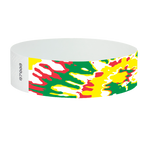
For single-day ceremonies or vigils, Tyvek® wristbands are a cost-effective option. Tyvek is lightweight, water-resistant, and available with custom printing at a fraction of the cost of silicone. For multi-day tribute festivals or premium memorial events, cloth wristbands offer a more elevated feel, with woven or sublimated designs that many attendees choose to keep as a lasting reminder.
Create Memorial Wristbands That Honor Who Matters Most
Honoring a loved one or a cause at a tribute event deserves more than a generic keepsake. Wristband Express offers custom silicone, Tyvek, and cloth wristbands with a range of printing styles, colors, and sizing options to match any memorial occasion. With over 25 years of experience and same-day shipping on stock orders placed before 3 PM CST, getting the right wristband on time does not have to add stress to an already emotional process. Start designing at wristbandexpress.com.
Frequently Asked Questions
1. What are the most common materials used for memorial wristbands?
Silicone is the most popular material because of its durability and comfort for long-term wear. Tyvek and cloth are also used for single-day or multi-day tribute events where cost or event-specific needs are the priority.
2. Can I add a custom message or name to a memorial wristband?
Yes. Most custom wristband suppliers allow you to add names, dates, short phrases, and graphics. Debossed and ink-injected styles offer the longest-lasting text, while printed options work well for detailed designs.
3. How many memorial wristbands should I order for a tribute event?
Order 10 to 15 percent more than your expected headcount to account for last-minute attendees, extras for family members, and replacements. Many suppliers offer bulk pricing that makes ordering extra bands cost-effective.
4. What colors are typically used for remembrance wristbands?
Black is the most common color for general remembrance. Cause-specific colors include pink for breast cancer, purple for Alzheimer's, and red for heart disease. Personal tributes often use the departed person's favorite color or organizational colors.
5. How long do silicone memorial wristbands last?
Silicone wristbands are designed for indefinite wear. With proper care, a silicone band can last for years without cracking, fading, or losing its shape.
6. Can memorial wristbands be used as fundraising tools?
Absolutely. Selling custom wristbands at tribute events is a common way to raise money for causes, medical research, scholarship funds, or family support. Low per-unit costs mean most of the revenue goes directly to the cause.
Share