

How Charity Walks and Fun Runs Use Wristbands for Participant Management
Managing hundreds or thousands of participants across a charity walk or 5K requires fast check-in, clear group identification, and a reliable way to track who belongs where. Paper rosters, printed bibs, and verbal roll calls slow the process down and break under pressure when 500 runners are lining up at once. Wristbands solve all three problems with a single, low-cost item that goes on at registration and stays visible throughout the event. Color-coded and numbered, they let volunteers, course marshals, and post-race staff verify participants at a glance instead of stopping to check a list. Here is how organizers use them at every stage, from check-in to the finish line.
Streamlining Registration and Check-In
The first bottleneck at any charity walk or fun run is the registration table. Volunteers need to verify participants, hand out materials, and get people to the start line quickly. Wristbands replace the slow process of checking paper lists and handing out bibs by giving every participant a visible, color-coded identifier the moment they arrive.
How Charity Walk Organizers Distribute Wristbands at Check-In
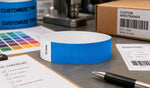
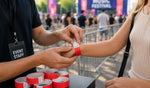
Most organizers pre-sort wristbands by registration type before event morning. Volunteers match the participant's name or confirmation number to a pre-assigned color, apply the band, and move to the next person. Tyvek wristbands are the standard for single-day walks and runs because they apply in seconds with a peel-and-press adhesive, cost pennies per unit, and cannot be transferred once sealed.
For events with on-site registration, numbered bands double as a headcount tool. Sequential numbering lets organizers reconcile the number of bands distributed against the number of registered participants, catching discrepancies before the event starts.
Pre-Event Mailing for Faster Race-Day Flow
Larger 5K events and charity walks mail wristbands with race packets ahead of time. Participants arrive with their band already on, skip the registration line entirely, and head straight to their starting area. Pre-mailed bands cut check-in times dramatically for events with 1,000 or more runners.
Managing Wave Starts and Participant Groups
Wave starts prevent dangerous crowding at the starting line by releasing groups in timed intervals. Color-coded wristbands are one of the simplest ways to sort runners into waves without requiring staff to check bib numbers or printed assignments.
How Running Events Use Wristbands to Manage Wave Starts
Each wave gets a designated color. Volunteers at the staging area scan the crowd for the matching color and direct runners to the correct corral. A typical setup might look like this:
| Wave | Wristband Color | Start Time | Group |
|---|---|---|---|
| Wave 1 | Red | 7:00 AM | Competitive runners |
| Wave 2 | Blue | 7:15 AM | Intermediate pace |
| Wave 3 | Green | 7:30 AM | Walkers and families |
| Wave 4 | Yellow | 7:45 AM | Late registrants |
Color identification works at a distance, which means staff do not need to stop each runner individually. A quick glance at the wrist confirms the right group in the right place.
Separating Fundraising Tiers and VIP Participants
Many charity events offer tiered participation levels, such as general entry, top fundraiser, and VIP donor. Distinct wristband colors or styles for each tier let staff identify who has access to VIP tents, post-race lounges, or exclusive merchandise areas without checking lists.
- General participants receive a standard event wristband in the event's primary color.
- Top fundraisers receive a different color or a custom printed band with recognition text.
- VIP donors receive a premium band, such as a cloth wristband, that doubles as a keepsake.
Tracking and Identifying Participants During the Event
Once the race starts, organizers need to track who is on the course, verify participants at aid stations, and ensure only registered runners cross the finish line. Wristbands provide a persistent, visible identifier that works without electronics.
Why Fun Runs and 5K Events Give Out Wristbands to Runners
A wristband stays visible on the wrist for the entire event, unlike a bib that can be hidden under a jacket or lost mid-race. Course marshals can spot wristband colors from several feet away to confirm that everyone on the route is a registered participant. For charity walks that share public paths with non-participants, a visible band is often the only quick way to tell walkers from bystanders.
Aid station volunteers use wristband colors to confirm that runners picking up water, snacks, or medical supplies are registered. Numbered bands add an extra layer of accountability, tying each participant to a specific record in case of a medical incident or course issue.
Post-Race Access Control
After crossing the finish line, participants typically enter a restricted area with food, beverages, awards, and sponsor booths. Wristbands control access without requiring a second check-in.
- Participants wearing event wristbands enter the post-race area freely.
- Non-participants and spectators without bands are directed to public viewing areas.
- VIP-tier bands grant access to premium post-race experiences.
Awareness Bands as Fundraising Tools
Charity walks are fundraising events at their core, and many organizers extend the wristband's role beyond logistics. Silicone wristbands printed with cause slogans, campaign hashtags, or awareness messages become wearable reminders long after the event ends. Participants keep them on their wrists for weeks or months, spreading visibility for the cause with every interaction.
Selling branded silicone bands at the event or including them in fundraising packages adds a low-cost revenue stream. A band that costs pennies to produce can generate dollars in donations when tied to a compelling cause.
Get Your Participants Sorted on Race Day
Color-coded wristbands turn a chaotic check-in into a smooth, fast process and keep participants organized from the first wave to the finish line. Wristband Express carries Tyvek wristbands for affordable single-day identification and silicone wristbands for lasting awareness keepsakes, with same-day shipping on stock orders placed before 3 PM CST. Design your race-day bands or call 800.434.9124 to match a wristband to your event.
Frequently Asked Questions
1. How do charity walks use wristbands for participants?
Charity walks use wristbands for check-in verification, group identification, wave sorting, access control to post-event areas, and fundraising awareness.
2. Why do fun runs and 5K events give out wristbands to runners?
Wristbands provide a visible, persistent identifier that course marshals can spot at a distance, confirming registered participants without stopping each runner.
3. How do running events use wristbands to manage wave starts?
Organizers assign a different wristband color to each wave, and staging volunteers direct runners to the correct corral based on the color they are wearing.
3. How do charity walk organizers distribute wristbands at check-in?
Volunteers pre-sort bands by registration type, match each participant to a color or number, and apply the adhesive band at the registration table.
5. Can wristbands be mailed with race packets before the event?
Yes. Many larger events mail Tyvek or silicone bands with pre-race packets so participants skip the registration line on event morning.
6. What wristband material works best for a one-day charity walk?
Tyvek is the most practical choice. The adhesive closure is tamper-evident, the cost per unit is the lowest of any material, and application takes seconds.
Share