


Skin Cancer Awareness: Black Ribbon Wristbands
Skin cancer is the most common cancer worldwide, with over 330,000 new melanoma cases diagnosed each year globally, according to GLOBOCAN data. In the U.S. alone, the American Cancer Society projects 234,680 new melanoma cases for 2026, and countries like Australia, the U.K., and Germany consistently report some of the highest incidence rates on the planet. For nonprofits, schools, and healthcare groups running awareness campaigns, a simple black custom wristband sends a clear message of solidarity and support. Whether you are organizing a Melanoma Monday event in May or planning a year-round fundraiser, understanding what a black ribbon means for cancer and knowing how to put that symbol on a wristband can help your campaign reach more people and spark real conversations about sun safety.
What Does a Black Ribbon Mean for Cancer?
Every cancer type is represented by a specific ribbon color, and that color helps the public quickly identify which cause a person supports. So what color ribbon is for skin cancer? The answer is black. The black ribbon is the recognized symbol for melanoma and broader skin cancer awareness, representing the urgency of early detection, sun protection, and continued research into better treatments.
The Melanoma Awareness Ribbon Color and Its Origins
The melanoma awareness ribbon color was chosen because melanoma is sometimes called "the black tumor," a reference rooted in the disease's name. Melanoma comes from the Greek words for "black" (melas) and "tumor" (oma). Wearing a black ribbon or a black awareness wristband signals support for people affected by melanoma and promotes conversations around skin health. May is internationally recognized as Melanoma Awareness Month, and the first Monday of the month, known as Melanoma Monday, encourages people around the world to begin lifelong habits of regular skin self-exams.
Black Ribbons Beyond Skin Cancer
While black ribbon skin cancer awareness is the most common health-related association, the black ribbon also carries broader meaning. Communities use black ribbons to honor people lost to any type of cancer, to mark periods of mourning, and to show solidarity after tragedies. In a campaign context, pairing a black ribbon or event wristband with clear messaging, such as "Melanoma Awareness" or "Protect Your Skin," ensures your audience knows exactly which cause you support.
Skin Cancer by the Numbers: Why Awareness Matters
A quick look at the facts helps explain why black ribbon skin cancer awareness efforts deserve attention and funding. Skin cancer affects more people than any other form of cancer globally, and the numbers continue to rise each year. The World Cancer Research Fund reported over 331,000 new melanoma cases worldwide in 2022, and the International Agency for Research on Cancer projects that figure could increase by more than 50% by 2040 without stronger prevention efforts. In the U.S., one in five people will develop some form of skin cancer by age 70, according to the American Academy of Dermatology, while Australia and New Zealand report the highest melanoma incidence rates per capita in the world.
The Three Major Types of Skin Cancer
Not all skin cancers carry the same level of risk. The three major types include:
- Basal cell carcinoma (BCC): The most common form, accounting for roughly 80% of non-melanoma skin cancers. BCC is highly treatable when caught early and rarely spreads to other parts of the body.
- Squamous cell carcinoma (SCC): The second most common form, responsible for an estimated 1.2 million-plus cases globally each year. SCC can spread if left untreated, especially in people with weakened immune systems.
- Melanoma: Accounts for a small percentage of skin cancers overall but causes the large majority of skin cancer deaths. Globally, nearly 59,000 people die from melanoma each year, according to GLOBOCAN data, with an estimated 8,510 of those deaths occurring in the U.S. alone.
Using the ABCDE Rule for Early Detection
Dermatologists recommend the ABCDE rule as a quick self-check method for spotting suspicious moles or growths. Knowing these warning signs can make the difference between an early diagnosis and a late-stage discovery. Each letter represents a specific red flag:
- A, Asymmetry: One half of the mole does not match the other.
- B, Border: Edges are irregular, ragged, or blurred.
- C, Color: The mole contains multiple colors or uneven shading.
- D, Diameter: The spot is larger than 6 millimeters, roughly the size of a pencil eraser.
- E, Evolving: The mole changes in size, shape, or color over time.
When caught before spreading, the five-year survival rate for melanoma is 99%, according to the American Academy of Dermatology. Awareness campaigns that teach people this rule can lead directly to earlier diagnoses and better outcomes.
How Black Awareness Wristbands Support Skin Cancer Campaigns
The black awareness wristband meaning extends well beyond symbolism. A wristband worn on a person's wrist is a walking conversation starter, a portable reminder to schedule a skin check, and a low-cost fundraising tool that keeps your cause visible long after an event ends.
Awareness Walks, Fundraisers, and Community Events
Melanoma awareness walks, charity runs, and community health fairs often distribute black silicone wristbands to participants. A custom message such as "Check Your Skin" or "Black for Melanoma" printed on the band turns every attendee into an ambassador for the cause. Silicone bands are especially popular for awareness campaigns because people tend to wear them for months or even years, extending your campaign's reach well beyond event day.
Everyday Visibility and Conversation Starters
Unlike a pin or a ribbon that stays on one outfit, a wristband travels everywhere. A black silicone wristband with a debossed or printed melanoma ribbon symbol catches attention at work, at the gym, and in social settings. That visibility leads to questions, which lead to conversations about sun safety, the ABCDE rule, and the importance of annual dermatology visits. For organizations focused on long-term education, few tools offer the same combination of affordability, durability, and passive reach.
Planning a Black Ribbon Skin Cancer Awareness Campaign
Running a successful skin cancer awareness campaign takes more than good intentions. The right materials, messaging, and distribution strategy can separate a wristband that ends up forgotten from one that starts a meaningful conversation.
Choosing the Right Wristband Material
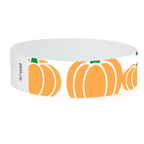
The material you choose depends on your event type, budget, and how long you want the wristband to stay in circulation. Custom silicone wristbands are the go-to choice for awareness campaigns because of their durability, comfort, and reusability. People wore Livestrong-style silicone bands for years, and the same principle applies to melanoma awareness. For single-day events like health fairs or screening days, Tyvek® wristbands offer a budget-friendly alternative that ships fast and works well for admission control.
Customization Ideas for Melanoma Events
Making your wristbands memorable takes a bit of creative planning. Consider these approaches:
- Print the ABCDE acronym on the band so wearers carry a skin-check guide on their wrist at all times.
- Add your organization's name and website alongside a melanoma ribbon graphic for easy follow-up.
- Use a debossed or ink-injected style for a premium look that lasts through daily wear without fading.
Pairing your wristbands with educational handouts about skin self-exams creates a campaign that goes beyond awareness and into action.
Get Black Awareness Wristbands for Your Melanoma Campaign
Wristband Express offers custom silicone wristbands in black with debossed, embossed, printed, and ink-injected personalization options. Add your organization's name, a melanoma ribbon graphic, or a sun-safety message, and your bands ship with same-day turnaround on stock orders placed before 3 PM CST. With over 25 years of experience helping nonprofits, schools, and healthcare organizations create custom awareness products, Wristband Express makes ordering simple. Start designing your black awareness wristbands today, or call 800.434.9124 to speak with a team member.
Frequently Asked Questions
What does a black ribbon mean for cancer?
A black ribbon represents melanoma and skin cancer awareness. The symbol also carries associations with mourning and remembrance for people lost to cancer.
What color ribbon is for skin cancer?
The awareness ribbon color for skin cancer, including melanoma, basal cell carcinoma, and squamous cell carcinoma, is black.
When is Melanoma Awareness Month?
Melanoma Awareness Month is observed internationally every May. Melanoma Monday, held on the first Monday of May, is a key date for public education and skin self-exam promotion worldwide.
What is the ABCDE rule for detecting melanoma?
The ABCDE rule stands for Asymmetry, Border, Color, Diameter, and Evolving. Dermatologists recommend using these five criteria during regular skin self-exams to spot potentially cancerous moles early.
Can black wristbands be customized for melanoma fundraisers?
Yes. Black silicone wristbands can be customized with printed, debossed, or ink-injected text, logos, and ribbon graphics. Many organizations add a cause name, website URL, or the ABCDE acronym.
How common is skin cancer worldwide?
Skin cancer is the most common cancer globally. Over 330,000 new melanoma cases and more than 1.2 million non-melanoma skin cancers are diagnosed worldwide each year, with the highest incidence rates in Australia, the U.S., and Western Europe.
Share