

How Event Wristbands Reduce Printing Waste Compared to Paper Tickets
Every concert, festival, and community event generates waste, and a surprising amount starts at the gate. Paper tickets are printed in bulk, reprinted after errors, and discarded after a single scan. Event wristbands offer a cleaner approach, one that keeps credentials on the attendee's wrist instead of in the trash.
The Paper Ticket Problem: Where the Waste Starts
Paper-based admission systems have been the default for decades, but the environmental cost is higher than most organizers realize. From overruns to reprints to litter, the waste adds up in ways that are easy to overlook. Once you break down the full lifecycle of a paper ticket, the case for switching becomes clear.
How printing waste adds up at scale
Most event organizers do not set out to waste paper. The problem builds quietly. A standard 1,000-person event can easily require 1,200 to 1,500 printed tickets once overruns, misprints, and replacements are factored in. Multiply that across an entire season, and the paper adds up fast.
Traditional ticket printing also demands ink, cardstock, and packaging for distribution. After the event, the vast majority of those tickets end up in landfills. Paper products make up roughly 26% of all landfill waste globally, and single-use event materials contribute to that figure every weekend.
For organizers running multiple events per year, reducing ticket printing waste becomes both a practical and environmental priority.
Why reprints drive the problem further
Reprints are one of the biggest hidden sources of paper waste at events. Date changes, sponsor updates, venue swaps, and simple design errors all trigger fresh print runs. Each reprint doubles the materials consumed for the same event.
When comparing wristbands vs paper tickets for events, the reprint issue alone tilts the scale. A wristband order placed once covers the entire event, while paper ticket programs often require two or three print runs before doors open.
How Wristbands Cut Paper Waste at Events
The answer to how wristbands reduce paper waste starts with the production process. Fewer raw materials go into making a wristband, and fewer disposable items are needed to support it at the gate. The savings compound at every stage, from manufacturing through post-event cleanup.
Fewer materials from production to entry
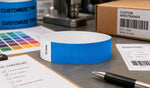
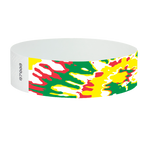
A tear-resistant Tyvek wristband is a single strip of DuPont Tyvek® material with an adhesive closure. No cardstock, no perforated stubs, no envelopes. The HDPE material has been certified 100% recyclable by DuPont.
Here is what a typical wristband-based admission process eliminates compared to a paper ticket setup:
- Printed ticket stock and overrun surplus
- Stub booklets and tear-off receipts
- Envelopes and mailers for will-call or advance distribution
- Lanyards, badge holders, and supplementary printed passes
Switching to adhesive-closure bands for a single-day event removes most of these materials from the supply chain entirely.
On-site waste drops significantly
Paper tickets create litter the moment attendees walk through the gate. Stubs fall to the ground, tickets get crumpled and tossed, and will-call printouts stack up at the box office. Wristbands stay on the wrist for the entire event, meaning there is nothing to throw away between entry and exit.
For multi-day festivals and resort stays, snap-closure plastic wristbands and extended-wear vinyl bands serve as a single credential for the entire run. A three-day festival using paper tickets might print three separate tickets per attendee, plus replacements for lost ones. One wristband handles all three days.
Reusable and Long-Lasting Wristband Options
Not every wristband is single-use. Some materials are specifically built for repeated wear, making them strong options for organizers interested in reusable event entry methods that cut waste over multiple seasons. Choosing the right long-lasting material depends on your event frequency and audience.
Silicone bands for repeat and ongoing use
When organizers need a credential that lasts beyond a single event, custom silicone wristbands stand out as the most practical choice. Unlike paper-based systems, a silicone band can be worn, collected, and redistributed across multiple events. Schools running recurring spirit weeks, gyms managing member access, and nonprofits hosting annual fundraisers all benefit from a single band that replaces dozens of printed tickets over its lifespan.
Silicone is also the most durable material in the wristband category, resisting water, sweat, and daily wear without cracking or fading. For organizations hosting monthly or quarterly events, buying one band per participant and reusing it across the calendar year cuts both cost and material waste.
Cloth wristbands as keepsakes, not trash
Cloth wristbands occupy a unique position in the paperless event entry ideas conversation. Attendees at music festivals, VIP experiences, and charity galas often keep fabric wristbands on their wrists for weeks or months after the event ends. A wristband that becomes a keepsake never enters the waste stream at all.
Woven and sublimated cloth bands also serve as branding tools. Every day an attendee wears that band after the event, the organization's logo stays visible. Paper tickets end up in a landfill. Cloth bands end up on social media.
Practical Steps to Reduce Printing Waste at Your Next Event
Adopting paperless event entry ideas does not require a full operational overhaul. A few targeted material swaps at the admission level can make a measurable difference in how much waste your event produces. Start with the biggest sources of paper and work outward.
Matching the right wristband material to your event type
Choosing the right material is one of the simplest ways to cut waste. A quick breakdown of which situations call for which wristband type:
- Single-day concerts and fairs: Tyvek wristbands with adhesive closures offer the lowest cost per unit and the smallest material footprint for one-time use. The HDPE material is recyclable, where facilities accept flexible HDPE.
- Multi-day festivals and resort access: Vinyl wristbands last 7 to 10 days and handle water, sweat, and sun without degrading. One band replaces multiple daily tickets.
- Recurring programs and memberships: Silicone wristbands can be collected, cleaned, and reissued across an entire event season, eliminating repeat orders entirely.
Consolidating printed extras into one wristband
Beyond the ticket itself, paper-based events often require supplementary printed materials. Drink ticket booklets, VIP passes, age-verification cards, and parking permits all add to the paper footprint. Wristbands can consolidate several of these functions into one item.
Color-coding and custom printing allow organizers to designate access levels, age verification, and purchasing eligibility on the band. Common consolidations include:
- Color-coded bands replacing separate printed VIP and general admission tickets
- Sequential numbering or barcodes on wristbands replacing printed check-in rosters
- Custom-printed Tyvek bands with sponsor logos replacing separate promotional flyers
One band handles admission, access control, and identification without additional paper.
Why Sustainable Events Start at the Gate
Event sustainability does not require sweeping changes. Swapping paper tickets for wristbands is one of the smallest logistical shifts an organizer can make, and the waste reduction is immediate. A single material decision at the gate sets the tone for the entire event.
Small changes with measurable results
For a 5,000-person event, eliminating printed tickets, stubs, and supplementary passes can remove thousands of sheets of paper from the waste stream in a single weekend. Producing one ton of paper requires roughly 17 trees and 7,000 gallons of water. While no single event accounts for that volume, the cumulative impact of thousands of events each year makes the switch meaningful.
Attendee expectations are shifting
Event-goers increasingly notice and appreciate sustainable practices. A wristband that replaces a paper ticket sends a visible signal that the organizer cares about waste reduction. For cause-driven events and nonprofit fundraisers where reputation matters, that signal carries weight with attendees and sponsors alike.
The Bottom Line
Switching from paper tickets to event wristbands is one of the most practical ways to cut printing waste and show attendees that sustainability matters. Whether you need single-day adhesive admission wristbands for a concert or reusable silicone bands for an entire season, Wristband Express carries the full range of materials to match your event and your environmental goals. With over 25 years in the industry and same-day shipping on stock orders placed before 3 PM CST, getting started is as simple as choosing your material and designing your band online.
Frequently Asked Questions
1. Are Tyvek wristbands recyclable?
Yes. Tyvek is made from high-density polyethylene (HDPE) and has been certified 100% recyclable by DuPont. Check with local recycling facilities to confirm they accept flexible HDPE materials.
2. How do wristbands reduce paper waste compared to tickets?
Wristbands eliminate printed ticket stock, stubs, will-call printouts, and supplementary passes. A single band stays on the attendee's wrist, removing the need for reprints, replacements, and post-event paper cleanup.
3. Can silicone wristbands be reused across multiple events?
Yes. Silicone wristbands are stretch-fit, waterproof, and designed for indefinite wear. Organizers can collect, clean, and redistribute them across multiple events or an entire season.
4. What is the most eco-friendly wristband for a single-day event?
Tyvek is the most practical choice for one-day events. The material is lightweight, recyclable, and uses fewer raw materials per unit than traditional printed ticket stock.
5. Do wristbands work for large-scale festivals with thousands of attendees?
Wristbands are standard at large festivals because they speed up entry, prevent counterfeiting with tamper-evident closures, and eliminate the need for multiple printed tickets across multi-day schedules.
6.Can wristbands replace drink tickets and VIP passes too?
Yes. Color-coded and custom-printed wristbands can designate access levels, age verification, and purchasing eligibility, replacing the need for separate printed drink tickets, VIP cards, and supplementary paper passes.
Share